

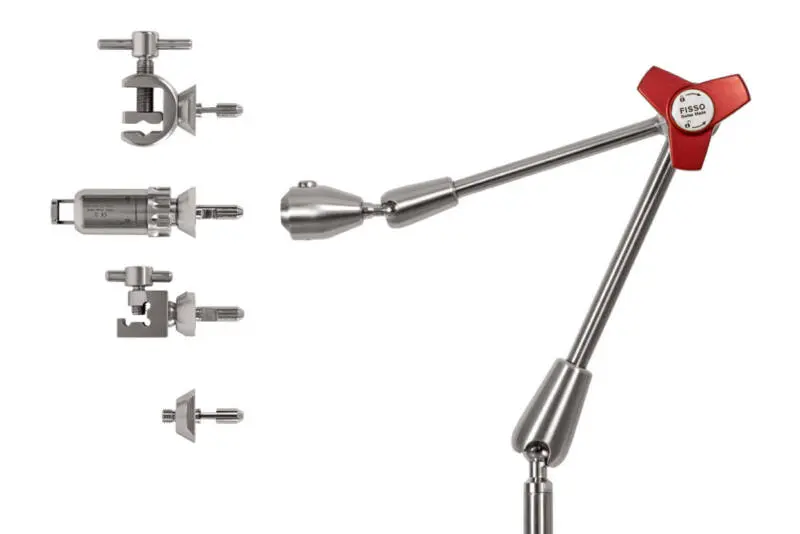
Surgery Navigation
Computer-assisted navigation in surgery refers to the use of computer-based systems to improve the precision and accuracy of surgical procedures. These systems use 3D images of a patient to determine and monitor the precise position and orientation of surgical instruments during surgery through continuous camera acquisition. The navigation unit consists of a camera that detects the position and orientation of specially marked surgical instruments and matches them to previous planning data. A computer calculates in real time where the instrument is in relation to the planned path and provides appropriate feedback to the surgeon.
Computer-Assisted Navigation in Surgery
Computer-assisted navigation in surgery enhances precision and accuracy using computer-based systems. These systems utilize 3D patient images to monitor surgical instrument position and orientation in real time, facilitated by continuous camera acquisition.
How It Works
A navigation unit incorporates a camera detecting the position and orientation of marked surgical instruments, aligning them with preoperative planning data. A computer then calculates the instrument’s real-time location relative to the planned path, providing feedback to the surgeon during the procedure.
Applications in Various Medical Fields
- Orthopedics: Facilitates optimal positioning and alignment of joint implants like hips and knees.
- Neurosurgery: Enhances precision in brain tumor removal and implantation of stimulation devices for Parkinson’s patients.
- Otolaryngology: Helps identify and protect critical structures during tumor removal in the head and neck, or cochlear implant placement.
- Urology: Improves accuracy in procedures like prostate cancer removal and treatment of urinary incontinence.
- Gastroenterology: Enhances procedural accuracy during gastrointestinal tumor removal, minimizing soft tissue damage.
Benefits of Navigated Surgery
Computer-assisted navigation systems offer several benefits, including:
- Precision: Ensures precise instrument placement relative to anatomical structures and surgical plans.
- Safety: Helps avoid damage to critical tissues, nerves, and blood vessels during complex procedures.
- Efficiency: Enhances surgical workflow and reduces procedure times through real-time guidance.
Advancements in Surgical Technology
Continued advancements in navigation technology improve surgical outcomes across medical specialties. These innovations empower surgeons with enhanced visualization and navigational tools, supporting complex procedures with greater safety and accuracy.
Conclusion
Computer-assisted navigation in surgery represents a significant advancement in medical technology, revolutionizing procedures across orthopedics, neurosurgery, otolaryngology, urology, and gastroenterology. By integrating real-time data and precise instrument tracking, these systems elevate surgical precision, safety, and patient outcomes, defining the future of modern surgical practice.